Amana S Series Installation Manual: A Comprehensive Guide
This manual details the proper installation of the Amana S Series heat pump‚ ensuring optimal performance and longevity.
It covers everything from pre-installation checks‚
component connections‚ and thermostat configuration‚ referencing valuable insights from online resources like Reddit discussions.
Proper installation is crucial for efficiency and reliability‚ especially considering space constraints like zero lot lines or patios.
This guide will help professionals achieve a seamless and effective setup.
Understanding the Amana S Series Heat Pump
The Amana S Series heat pump represents a significant advancement in home comfort technology‚ offering a balance between efficiency‚ affordability‚ and reliable performance. This series is specifically designed for a wide range of climates and home sizes‚ making it a versatile choice for many homeowners. It’s characterized by its slim‚ side-discharge design‚ which is particularly advantageous for installations with limited space – a point frequently discussed regarding installations on pads‚ walls‚ or in zero-lot-line scenarios.
Unlike traditional heat pump systems‚ the Amana S Series utilizes inverter technology. This allows the unit to modulate its output‚ providing consistent comfort while minimizing energy consumption. Understanding this modulation is key to proper installation and troubleshooting. The system’s efficiency stems from its ability to operate at varying speeds‚ adapting to the specific heating or cooling demands of the home.
Furthermore‚ the Amana S Series is designed for ease of service and maintenance. Access to key components is strategically placed‚ simplifying routine checks and repairs. However‚ certain advanced settings‚ like dealer codes for thermostat configuration‚ require specialized knowledge and access‚ as highlighted in online forums like Reddit‚ where users discuss challenges obtaining this information from installers.
Key Features and Benefits
The Amana S Series heat pump boasts several key features contributing to enhanced comfort and cost savings. Its inverter technology allows for variable-speed operation‚ delivering consistent temperatures and reducing energy waste compared to single-stage systems. The slim‚ side-discharge design offers installation flexibility‚ particularly beneficial for properties with limited outdoor space‚ as noted in installation considerations for pads and small patios.
Enhanced Comfort: Variable-speed operation minimizes temperature fluctuations‚ creating a more comfortable indoor environment year-round. Energy Efficiency: Inverter technology optimizes energy consumption‚ lowering utility bills. Quiet Operation: The modulating compressor operates at lower speeds‚ resulting in quieter operation. Durability: Built with high-quality components for long-lasting performance.
Installation Advantages: The compact design simplifies installation in challenging locations. Smart Thermostat Compatibility: Seamless integration with smart thermostats for remote control and advanced features. However‚ accessing certain advanced settings‚ like dealer codes for customization‚ can be problematic‚ as discussed on platforms like Reddit‚ emphasizing the importance of a cooperative installer.
System Components Overview
The Amana S Series heat pump system comprises several key components working in unison to deliver efficient heating and cooling. The outdoor unit houses the compressor‚ condenser coil‚ and fan‚ responsible for heat exchange with the outside air. The indoor unit‚ typically an air handler or furnace‚ contains the evaporator coil and blower fan‚ circulating air throughout the home.
Refrigerant lines connect the indoor and outdoor units‚ facilitating the transfer of refrigerant. A thermostat controls system operation‚ allowing users to set desired temperatures and schedules. Crucially‚ the thermostat often requires a dealer code for advanced configuration‚ a point of discussion on online forums like Reddit‚ highlighting potential installation challenges.
Additional components include a disconnect switch for safety‚ a line filter drier to protect the system‚ and various electrical wiring and controls. Proper understanding of each component’s function and interconnection is vital for a successful installation‚ especially considering installation options like wall mounts or placement on pads‚ as emphasized by Sureway Heating Cooling Plumbing.
Pre-Installation Considerations
Before installation‚ a thorough site assessment is essential‚ verifying adequate space and proper electrical connections.
Confirming pad suitability and placement‚ especially for zero-lot lines‚ is also critical for optimal performance.
Site Assessment and Space Requirements
A comprehensive site assessment is the first step towards a successful Amana S Series heat pump installation. Carefully evaluate the intended location for the outdoor unit‚ considering potential obstructions like walls‚ fences‚ and vegetation. The Amana S-series is noted as a slim‚ side-discharge system‚ making it suitable for installations where space is limited – including zero lot lines and small patio areas.
Adequate clearance is paramount for proper airflow and service access. Ensure sufficient space around all sides of the unit‚ as specified in the detailed installation manual. Pay close attention to potential snow drifts in colder climates‚ which can restrict airflow and impact performance. Confirm the structural integrity of the mounting surface‚ whether it’s a concrete pad or a wall mount.
Consider noise levels and proximity to living areas or neighboring properties. While the S Series is designed for quiet operation‚ proper placement can further minimize sound transmission. Finally‚ verify compliance with all local codes and regulations regarding setbacks and clearances. A well-planned site will contribute significantly to the long-term efficiency and reliability of the system.
Electrical Requirements and Wiring
Proper electrical connection is critical for the safe and efficient operation of the Amana S Series heat pump. Before commencing any wiring‚ always disconnect power to the circuit at the breaker panel. Verify that the electrical supply matches the unit’s voltage and amperage requirements‚ as detailed on the nameplate. Incorrect voltage can cause severe damage to the compressor and other components.
Use appropriately sized wiring and conduit‚ adhering to all local electrical codes and regulations. Ensure all connections are tight and secure‚ utilizing approved connectors and strain relief. Grounding is essential for safety; connect the unit’s ground wire to a properly grounded electrical system. Double-check all wiring connections against the wiring diagram provided in the installation manual.
Consider dedicated circuits to prevent overloading and ensure stable operation. A qualified electrician should perform all electrical work‚ verifying proper grounding and adherence to safety standards. Incorrect wiring can lead to system malfunction‚ fire hazards‚ and void the warranty. Prioritize safety and compliance throughout the electrical installation process.
Pad Installation and Placement
Selecting a suitable pad for the Amana S Series outdoor unit is crucial for stable operation and longevity. The pad must be level‚ structurally sound‚ and capable of supporting the unit’s weight‚ even during operation. Concrete pads are generally recommended‚ ensuring adequate drainage to prevent water accumulation and corrosion.
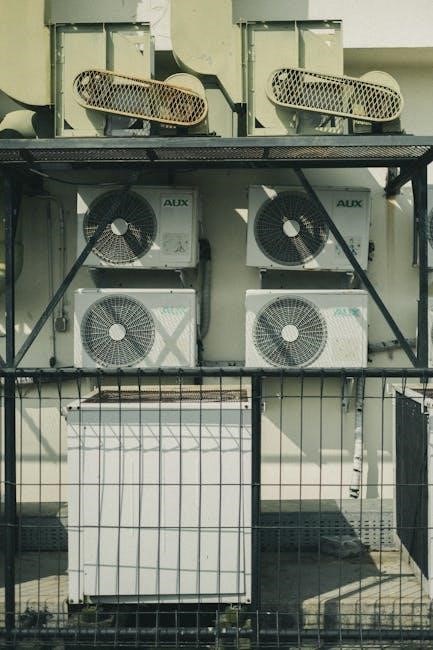
Consider location carefully‚ as noted in Sureway Heating Cooling Plumbing’s guidance – installation on patios‚ zero lot lines‚ or walls requires careful planning. Ensure sufficient clearance around the unit for airflow and service access. Avoid placing the unit in areas prone to debris accumulation‚ such as under trees.
Proper pad height is essential to prevent snow or ice buildup from obstructing airflow. The pad should be at least 4 inches above the surrounding grade. Secure the unit to the pad using appropriate mounting hardware‚ ensuring it remains stable and level. A correctly installed pad minimizes vibration and noise‚ contributing to a quieter operating experience.
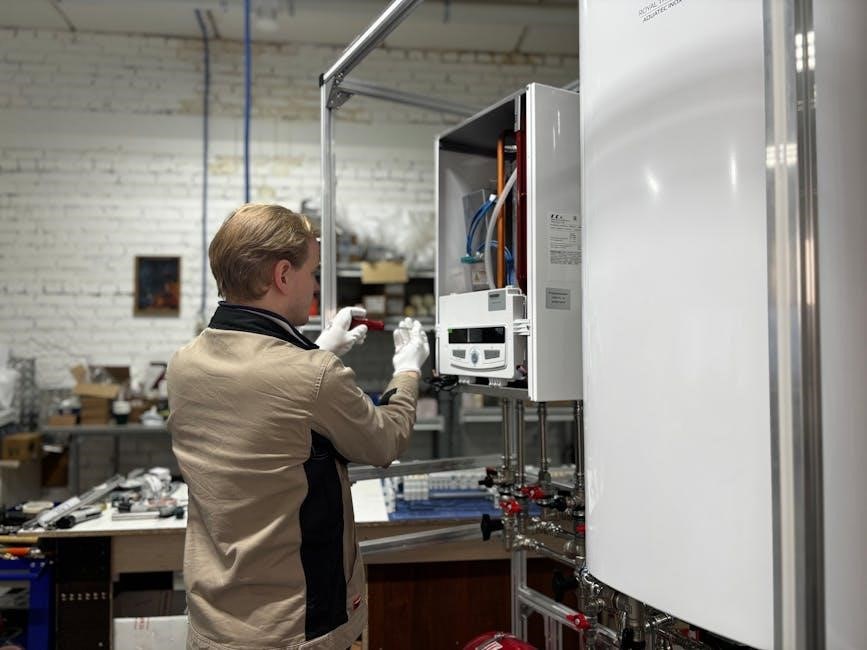
Installation Procedure
This section details the physical installation steps‚ beginning with securely mounting the outdoor unit and progressing through refrigerant line connections.
Carefully follow all guidelines to ensure a proper and efficient system setup.
Mounting the Outdoor Unit
Securely mounting the Amana S Series outdoor unit is paramount for stable operation and minimizing noise transmission. The unit’s slim profile allows for flexible placement‚ including installations on pads‚ walls‚ or in tight spaces like zero lot lines and small patios‚ as highlighted by Sureway Heating Cooling Plumbing.
Begin by selecting a level and stable surface capable of supporting the unit’s weight‚ even during operation and potential weather events. A concrete pad is highly recommended‚ ensuring adequate drainage to prevent water accumulation.
Maintain sufficient clearance around the unit for proper airflow – typically at least 18 inches on all sides and 6 feet above. Avoid obstructions like shrubs‚ fences‚ or building overhangs that could restrict ventilation.
Utilize appropriate mounting hardware‚ ensuring it’s compatible with both the unit and the mounting surface. Vibration isolation pads placed beneath the unit can further reduce noise transfer to the structure. Double-check all connections for tightness and stability before proceeding to the next installation phase;
Proper mounting prevents damage and ensures longevity.
Refrigerant Line Connections
Establishing leak-free refrigerant line connections is critical for the Amana S Series heat pump’s efficiency and environmental responsibility. This process demands precision and adherence to industry best practices. Ensure the refrigerant lines are properly sized according to the manufacturer’s specifications and the length of the run.
Before brazing or connecting lines‚ thoroughly purge the system to remove any non-condensables or debris. Use a nitrogen purge to prevent oxidation during brazing‚ safeguarding the refrigerant lines’ integrity.
Employ only approved brazing materials and techniques‚ ensuring a strong‚ hermetic seal. After brazing‚ conduct a thorough leak test using a refrigerant leak detector. Address any leaks immediately before proceeding.
Properly insulate all refrigerant lines to minimize heat gain or loss‚ optimizing system performance. Secure the lines to prevent strain on the connections and protect them from physical damage. Careful attention to detail during this stage will prevent costly repairs and ensure long-term reliability.
Leak testing is essential for optimal performance.
Indoor Unit Installation and Connection
Proper indoor unit installation is paramount for distributing conditioned air effectively and maintaining optimal comfort levels. Begin by carefully selecting a location that allows for adequate airflow and accessibility for future maintenance. Ensure the unit is level and securely mounted to prevent vibrations and noise.
Connect the refrigerant lines‚ ensuring tight connections to prevent leaks. Electrical connections must be made by a qualified technician‚ adhering to all local and national electrical codes. Verify proper voltage and grounding before energizing the system.
The condensate drain line is crucial for removing moisture and preventing water damage. Ensure it’s properly sloped and connected to a suitable drain. Inspect ductwork connections for airtightness‚ sealing any leaks to maximize efficiency.
Confirm the blower motor is functioning correctly and that airflow is within the manufacturer’s specified range. A properly installed and connected indoor unit contributes significantly to the overall performance and longevity of the Amana S Series heat pump system.
Airflow is key to efficient operation.
Thermostat Setup and Configuration
Configure the Amana S Series thermostat for optimal control and efficiency. Accessing dealer codes‚ often discussed on platforms like Reddit‚ allows for advanced settings adjustments.
Initial programming and thorough testing are vital for correct operation.
Dealer Code Access and Bypass (Reddit Information)
Accessing the dealer code for the Amana S Series thermostat can be challenging‚ as installers are often reluctant to share it. Online forums‚ specifically Reddit’s r/heatpumps‚ frequently discuss this issue‚ with users sharing potential workarounds. Many report that navigating to the “dealer edit” section within the thermostat’s menu‚ then selecting the small “i” icon in the top right corner‚ reveals the password.
However‚ it’s important to note that this method isn’t universally successful and may depend on the specific thermostat model. Some users have cautioned against altering settings without a full understanding of their impact on system performance. Modifying advanced parameters incorrectly could void warranties or lead to inefficient operation.
Furthermore‚ while bypassing the dealer code offers greater control‚ it’s generally recommended to consult with a qualified HVAC technician for any significant adjustments. They possess the expertise to optimize settings for your specific home and climate‚ ensuring both comfort and energy savings. Remember‚ attempting unauthorized modifications carries inherent risks.
Initial Thermostat Programming
Upon powering up the Amana S Series thermostat‚ the initial programming phase is crucial for establishing optimal comfort and efficiency. Begin by setting the correct date and time‚ ensuring accurate scheduling capabilities; Next‚ configure the system type – heat pump – and select the appropriate heating and cooling modes. Carefully review the fan control settings‚ choosing between auto‚ on‚ or circulate options based on homeowner preference.
Temperature preferences should be established‚ defining desired setpoints for both heating and cooling. Explore the scheduling features to create a personalized comfort profile‚ adjusting temperatures throughout the day to match occupancy patterns. Consider utilizing setback temperatures during sleep or periods of absence to maximize energy savings.
Familiarize yourself with the thermostat’s advanced features‚ such as geofencing or smart home integration‚ if applicable. Proper initial programming lays the foundation for a responsive and efficient heating and cooling system‚ tailored to the homeowner’s specific needs and lifestyle.
Testing Thermostat Functionality
Thorough testing of the Amana S Series thermostat is paramount after initial programming to verify correct operation. Begin by initiating a heating cycle and confirming the outdoor unit responds accordingly. Observe the airflow from the indoor vents‚ ensuring adequate heating distribution. Repeat the process with a cooling cycle‚ verifying proper cooling performance and condensate drainage.
Test the fan settings – auto‚ on‚ and circulate – to confirm each function operates as intended. Utilize the thermostat’s temperature hold feature to assess its responsiveness and accuracy. Cycle through different programmed schedules to ensure seamless transitions between setpoints.
If issues arise‚ revisit the programming settings and double-check all configurations. Consult the Amana S Series documentation for troubleshooting guidance; A comprehensive test ensures the thermostat effectively controls the heat pump‚ delivering optimal comfort and efficiency for the homeowner.
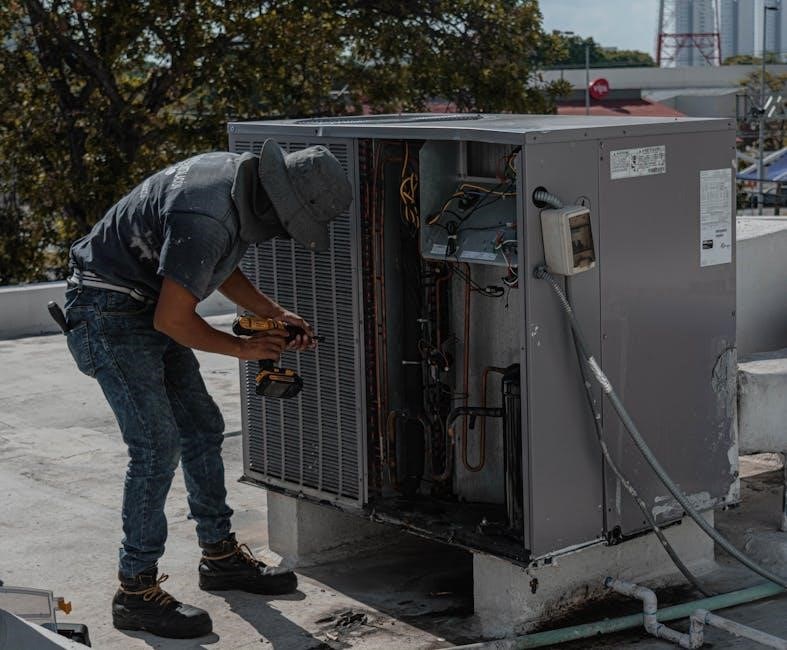
Post-Installation Checks and Maintenance
Following installation‚ verify system performance‚ inspect ductwork for leaks‚ and confirm proper airflow. Regular maintenance—filter changes and coil cleaning—ensures continued efficiency and longevity of the Amana S Series.
System Performance Verification
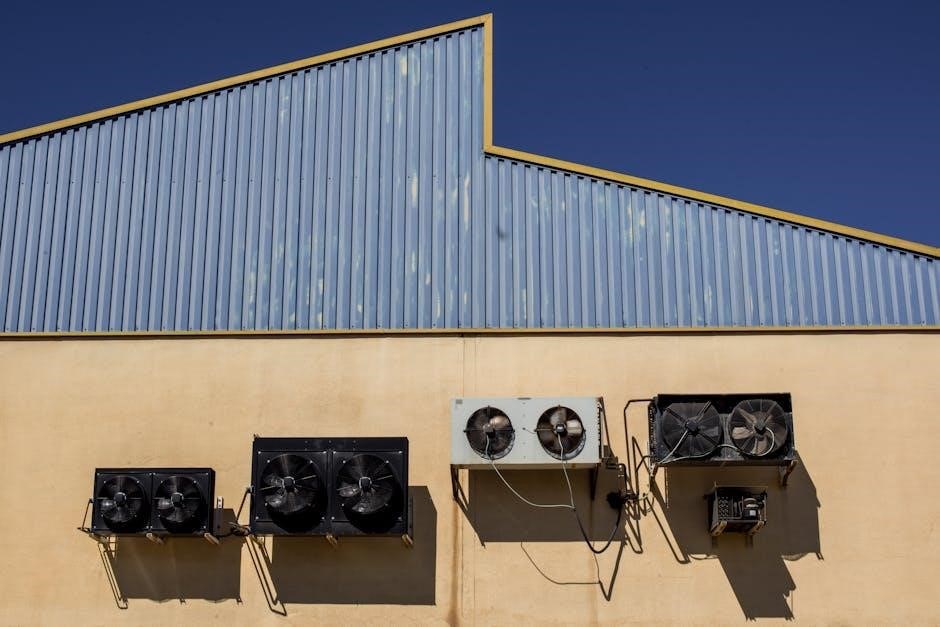
After completing the installation‚ a thorough performance verification is essential to guarantee the Amana S Series heat pump operates within specified parameters. Begin by confirming the refrigerant charge‚ utilizing the manufacturer’s guidelines and pressure-temperature charts. Incorrect refrigerant levels significantly impact efficiency and can damage the compressor.
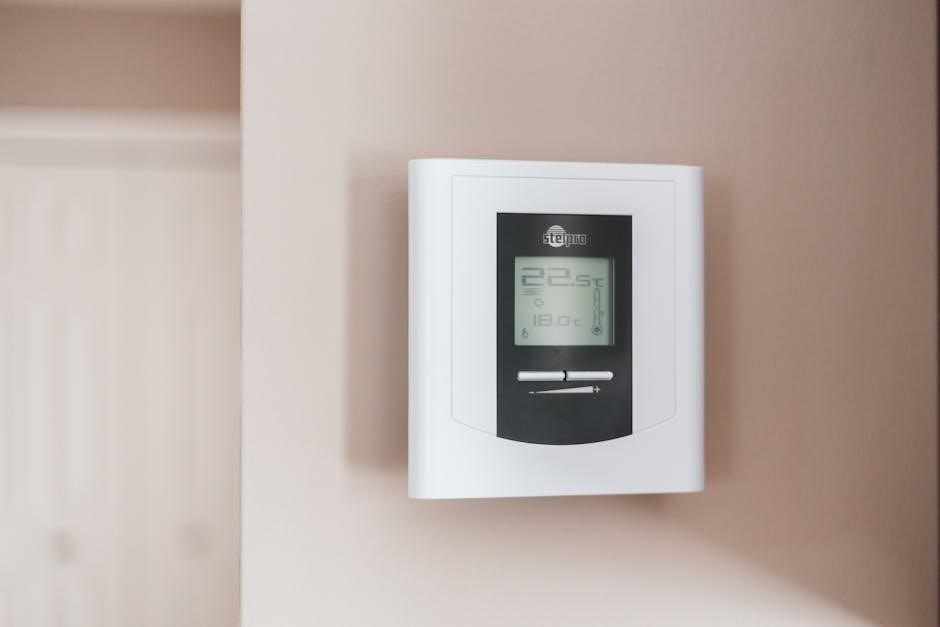
Next‚ measure the supply and return air temperatures at multiple registers throughout the conditioned space. A sufficient temperature difference indicates effective heat transfer. Simultaneously‚ assess the airflow volume using a calibrated anemometer‚ ensuring it aligns with the unit’s capacity and ductwork design.
Monitor the system’s electrical parameters – voltage‚ amperage‚ and power factor – to detect any anomalies. Compare these readings against the unit’s nameplate data. Pay close attention to the compressor’s operation‚ listening for unusual noises or vibrations. Finally‚ utilize the thermostat to cycle the system through heating and cooling modes‚ verifying proper operation and temperature control. Document all findings for future reference and potential troubleshooting.
Airflow and Ductwork Inspection
A comprehensive airflow and ductwork inspection is paramount following Amana S Series heat pump installation. Begin by visually examining all duct connections for leaks‚ utilizing duct sealant to address any identified gaps or separations. Securely fastened ducts minimize energy loss and maximize system efficiency.
Inspect duct insulation‚ ensuring adequate coverage to prevent heat gain or loss. Damaged or missing insulation should be repaired or replaced. Verify that all registers and grilles are unobstructed and functioning correctly‚ allowing for balanced airflow throughout the home.
Assess the ductwork’s overall condition‚ looking for kinks‚ collapses‚ or restrictions that could impede airflow. Consider duct sizing; undersized ducts can create excessive static pressure‚ reducing system performance and potentially damaging the blower motor. Proper airflow is critical for optimal comfort and efficiency‚ especially in installations on pads‚ walls‚ or limited spaces.
Long-Term Maintenance Recommendations
Consistent maintenance is vital for maximizing the lifespan and efficiency of your Amana S Series heat pump. Recommend annual professional inspections‚ including coil cleaning‚ refrigerant level checks‚ and electrical component assessments. Dirty coils reduce efficiency and can lead to system failures.
Advise homeowners to regularly replace or clean air filters – typically every 1-3 months – to maintain optimal airflow and indoor air quality. Encourage keeping the outdoor unit clear of debris‚ vegetation‚ and snow accumulation‚ ensuring unobstructed airflow.
Suggest periodic ductwork inspections to identify and address any leaks or damage. Remind users about thermostat programming for energy savings and comfort. Proactive maintenance prevents costly repairs and ensures continued reliable performance‚ especially considering installations in challenging spaces like zero lot lines or patios.