
Indesit Washing Machine Manual: A Comprehensive Guide
Navigating the world of laundry is easier with a reliable guide; this manual provides essential information for optimal performance and longevity of your Indesit appliance․
Discover updates, content, mechanics, and rewards, alongside lore and challenges, ensuring a seamless and enjoyable washing experience for every user․
From initial setup to advanced features, this comprehensive resource empowers you to maximize your machine’s capabilities and maintain its pristine condition․
Understanding Your Indesit Washing Machine
Your Indesit washing machine is a sophisticated appliance designed for efficient and reliable laundry care․ This section aims to familiarize you with its core functionalities and operational principles, ensuring you can harness its full potential․ Regular updates, much like those seen in Sea of Thieves, continually enhance performance and introduce new features, though in this case, those enhancements come through proper usage and maintenance․
Understanding the machine’s internal workings is key to troubleshooting and preventative care․ Like navigating the challenges within a pirate adventure, knowing your machine’s components allows you to anticipate and address potential issues․ The machine’s design prioritizes both cleaning effectiveness and fabric preservation, offering a range of programs tailored to different materials – cotton, synthetics, and delicates – mirroring the diverse challenges found in the game․
Familiarize yourself with the control panel, which serves as your command center․ Just as a captain steers their ship, you’ll use the buttons and dials to select programs, adjust temperature, and control spin speed․ Remember, proper detergent dosage and load size are crucial for optimal results, akin to managing resources effectively in a dynamic environment․ This manual will guide you through each aspect, ensuring a smooth and satisfying laundry experience․
Model Identification and Specifications
Accurate model identification is paramount for accessing the correct support and replacement parts․ Locate the product label, typically found on the rear of the machine or inside the door, and record the full model number․ This number is your key to unlocking specific documentation and troubleshooting guides, much like identifying a unique vessel in Sea of Thieves․
Indesit washing machines come in a variety of configurations, each with distinct specifications․ Key parameters include capacity (measured in kilograms), maximum spin speed (in revolutions per minute – RPM), energy efficiency rating, and dimensions․ These specifications dictate the machine’s suitability for your laundry needs and available space․
Refer to the detailed specifications table within this manual for your specific model․ This table outlines crucial information such as water consumption per cycle, power requirements, and permissible operating temperature range․ Understanding these parameters ensures safe and efficient operation, preventing potential damage and maximizing performance․ Just as knowing your ship’s capabilities is vital for successful voyages, knowing your machine’s limits is essential for optimal laundry results․
Key Components and Their Functions
Understanding the core components of your Indesit washing machine is crucial for effective maintenance and troubleshooting․ The drum, constructed from durable stainless steel, houses the laundry during the wash cycle․ The motor powers the drum’s rotation, while the suspension system minimizes vibrations, ensuring stability – akin to a well-balanced ship navigating stormy seas․
The water inlet valves control the flow of hot and cold water, mixing them to achieve the desired wash temperature․ The drain pump expels the used water, while the heating element heats the water for specific wash programs․ The control panel, featuring buttons and dials, serves as the command center, allowing you to select programs and customize settings․
Furthermore, the dispenser drawer holds detergent, fabric softener, and bleach, releasing them at the appropriate times during the cycle․ The filter traps lint and debris, preventing them from recirculating and damaging the machine․ Regular inspection and cleaning of these components, much like maintaining a pirate ship, are vital for optimal performance and longevity․
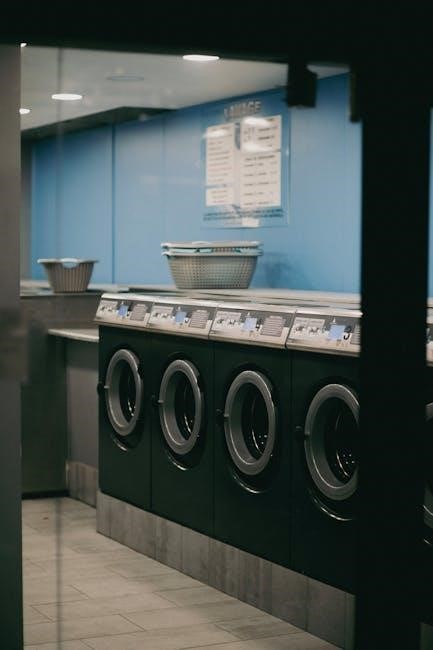
Getting Started: Initial Setup
Embark on your laundry journey with ease! This section guides you through unpacking, installation, and connecting essential utilities for a smooth start with your Indesit machine․
Unpacking and Installation
Carefully unpack your new Indesit washing machine, ensuring all packaging materials are removed from both inside the drum and around the exterior․ Inspect the appliance thoroughly for any signs of damage incurred during transit; if damage is present, immediately contact the retailer or Indesit customer support․
Position the washing machine on a firm, level surface, capable of supporting its weight, especially when fully loaded with wet laundry․ Adjust the leveling feet to ensure stability and minimize vibrations during operation․ Proper leveling is crucial to prevent excessive noise and potential damage․
Maintain adequate space around the machine for ventilation and ease of access for maintenance․ Ensure there’s sufficient clearance for connecting water hoses and the drainpipe․ Avoid placing the machine in direct sunlight or near heat sources․ Remember to remove the transit bolts – these are vital for safe operation!
Connecting Water Supply and Drainage
Before connecting, ensure the water supply valve is closed․ Attach the supplied inlet hose to both the washing machine and the water tap, using the rubber washers provided to prevent leaks․ Hand-tighten initially, then use a wrench to secure, avoiding over-tightening which could damage the connections․
The drain hose must be securely positioned to prevent siphoning or accidental dislodgement․ It should be inserted into a standpipe or securely fastened to the edge of a sink or laundry tub, ensuring it’s at the correct height as specified in the full manual․
Check all connections for leaks after turning on the water supply slowly․ Regularly inspect the hoses for cracks or wear and tear, replacing them as needed․ Proper connection is vital for efficient operation and preventing water damage․ Remember to follow local plumbing codes!
First Wash Cycle: Preparation and Execution
Prior to the initial wash, it’s crucial to clean the drum․ Run an empty cycle using a small amount of detergent on a hot water setting – this removes any manufacturing residue․ Ensure the washing machine is level to minimize vibration and noise during operation․
Sort your laundry carefully, separating colors from whites and delicate items from heavier fabrics․ Check pockets for any objects that could damage the machine or clothing․ Load the drum loosely, avoiding overfilling, which can reduce washing effectiveness․
Select the appropriate program, temperature, and spin speed based on the fabric type and soil level․ Add detergent to the dispenser, following the manufacturer’s instructions․ Start the cycle and monitor the machine during the initial run to ensure everything operates smoothly․

Operating Your Indesit Washing Machine
Mastering your Indesit machine involves understanding its controls and programs; explore options for cotton, synthetics, and delicates, optimizing each wash for perfect results every time․
Control Panel Overview: Buttons and Dials
The Indesit washing machine’s control panel is designed for intuitive operation, featuring a combination of buttons and dials to select desired wash cycles and settings․ Familiarize yourself with each component to unlock the full potential of your appliance․
The primary dial typically governs program selection, offering options like Cotton, Synthetics, Delicates, Wool, and Quick Wash․ Rotate the dial to highlight your chosen program, indicated by a corresponding symbol on the panel․ Adjacent to the program dial, you’ll find buttons for modifying wash parameters․
Temperature adjustment buttons allow you to select the water temperature, ranging from cold wash to high-heat sanitization․ Spin speed controls determine the intensity of the final spin cycle, impacting moisture retention in your clothes․ Additional buttons may include options for pre-wash, extra rinse, or stain removal․
Special function buttons activate features like Delay Start, enabling you to schedule washes for convenient times․ A Child Lock button prevents accidental program changes, ensuring safety․ The panel also displays indicator lights to signal the wash cycle’s progress, including wash, rinse, spin, and completion․ Understanding these indicators is crucial for monitoring your laundry process․
Programme Selection Guide: Cotton, Synthetics, Delicates
Choosing the correct programme is vital for optimal cleaning and fabric care; your Indesit washing machine offers a range of options tailored to different textile types․ The ‘Cotton’ programme is ideal for everyday cotton items like t-shirts, underwear, and bed linen, utilizing higher temperatures and vigorous agitation for thorough cleaning․
For synthetic fabrics such as polyester and nylon, select the ‘Synthetics’ programme․ This cycle employs gentler washing action and lower temperatures to prevent damage and maintain fabric integrity․ ‘Delicates’ is specifically designed for fragile items like silk, lace, and lingerie, employing the mildest wash action and coolest water temperatures․
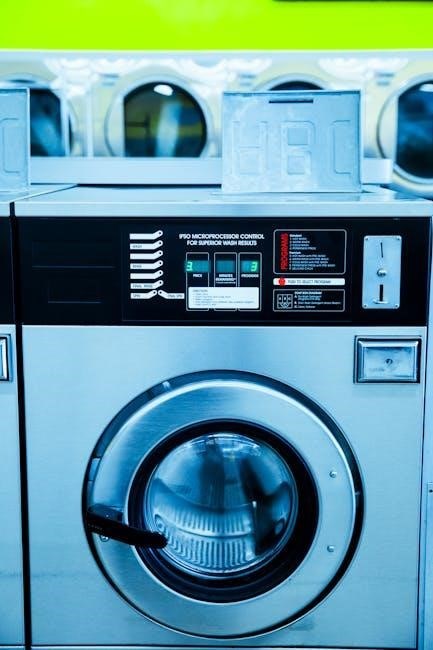
Consider the soil level when selecting a programme; heavily soiled cottons may benefit from a pre-wash cycle․ Always check garment care labels for specific washing instructions․ Utilizing the correct programme extends the life of your clothes and ensures consistently excellent wash results․ Remember to adjust temperature and spin speed accordingly for each fabric type․
Temperature Settings and Spin Speed Options
Precise control over temperature and spin speed is crucial for achieving desired wash results and protecting your garments; your Indesit washing machine provides a versatile range of settings․ Lower temperatures (30°C or 40°C) are suitable for delicate fabrics and lightly soiled items, conserving energy and minimizing color fading․
Higher temperatures (60°C or 90°C) are recommended for heavily soiled cottons and whites, ensuring effective stain removal and hygiene․ Spin speed dictates the amount of water extracted from clothes; lower speeds are gentler on delicate fabrics, reducing wrinkles, while higher speeds shorten drying time․
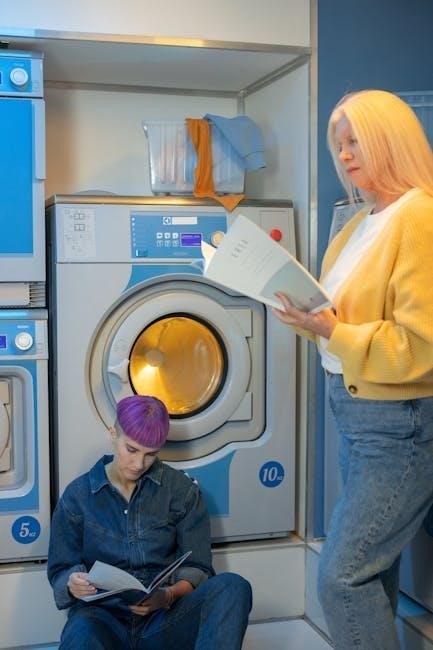
Adjusting these settings allows for customized washing; consider the fabric type and soil level when making your selections․ Excessive spin speeds can damage delicate items․ Experiment to find the optimal balance between wash effectiveness and fabric care․ Always consult garment care labels for specific temperature and spin recommendations․
Using Special Programmes: Eco, Quick Wash, Wool
Indesit washing machines offer specialized programmes designed to cater to specific laundry needs, optimizing performance and efficiency․ The ‘Eco’ programme minimizes water and energy consumption, ideal for lightly soiled loads and environmentally conscious users․ It utilizes lower temperatures and extended wash cycles for substantial savings․
The ‘Quick Wash’ programme provides a fast and convenient solution for lightly soiled items, completing a wash cycle in significantly less time․ This is perfect for refreshing clothes when you’re short on time․ The ‘Wool’ programme delivers a gentle wash specifically tailored for delicate woollen garments․
It employs low temperatures and reduced agitation to prevent shrinkage and damage; always use a detergent specifically designed for woollens․ Utilizing these special programmes ensures optimal care for your clothes and maximizes the efficiency of your Indesit washing machine, extending garment life and reducing environmental impact;

Maintenance and Troubleshooting
Regular cleaning and prompt issue resolution are vital for sustained performance; address blocked drains, error codes, and leaks swiftly to ensure optimal washing machine functionality․
Regular Cleaning: Drum, Filter, Dispenser
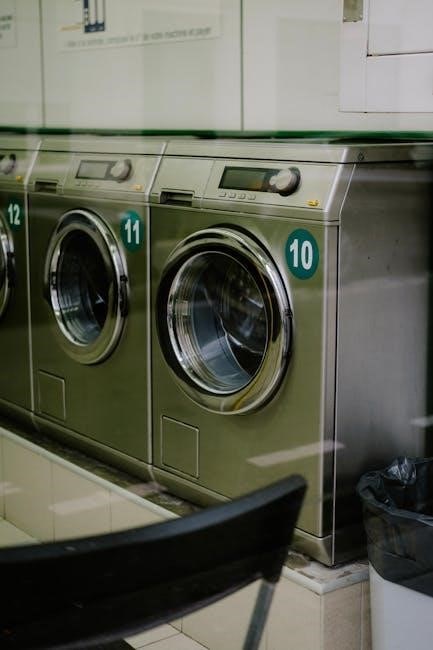
Maintaining a pristine washing machine requires consistent cleaning of key components․ The drum benefits from monthly cleaning cycles using a washing machine cleaner, run at a high temperature to eliminate residue and odors․ This prevents buildup that can affect wash quality and potentially harbor bacteria․
The filter, typically located at the front bottom of the machine, should be checked and cleaned after every 20 washes, or more frequently if you notice slow drainage․ Remove any lint, coins, or small objects obstructing the filter․ A clogged filter significantly reduces washing efficiency and can cause damage․
Finally, the detergent dispenser drawer requires regular attention․ Remove it completely and rinse thoroughly under warm water to dissolve any hardened detergent or fabric softener․ A buildup in the dispenser can lead to improper dispensing and reduced cleaning effectiveness․ Ensure the dispenser is completely dry before reinserting it․
Consistent cleaning extends the lifespan of your Indesit washing machine and ensures optimal performance․
Dealing with Common Error Codes (e․g․, F01, F02, F03)
Indesit washing machines utilize error codes to diagnose issues, simplifying troubleshooting․ An ‘F01’ code typically indicates a water supply problem – check the tap is fully open and the inlet hose isn’t kinked․ ‘F02’ usually signals a drainage issue; inspect the drain hose for blockages and ensure the drain pump filter is clear of obstructions․
The ‘F03’ error code often points to a temperature sensor malfunction or a heating element failure․ This requires professional attention as it involves internal components․ Other codes may relate to the door switch, motor issues, or pressure sensor problems․
Before contacting a technician, try resetting the machine by unplugging it for a few minutes․ Refer to your specific model’s manual for a complete list of error codes and their corresponding solutions․ Ignoring error codes can lead to further damage and costly repairs; Always prioritize safety and disconnect the power before attempting any internal checks․
Blocked Drain: Diagnosis and Resolution
A blocked drain is a common issue with Indesit washing machines, often indicated by standing water in the drum․ The first step is to locate the drain pump filter, usually behind a small access panel at the front of the machine․ Always place a towel and shallow container underneath before opening, as water will likely spill out․
Carefully unscrew and remove the filter, cleaning out any lint, coins, hair, or other debris․ Inspect the drain hose itself for kinks or obstructions; detach it from the machine and drainpipe to flush it thoroughly․ If the blockage persists, check the drainpipe in the wall for any build-up․
Regularly cleaning the filter (at least monthly) prevents future blockages․ Avoid overloading the machine, as this can contribute to lint accumulation․ If you’re unable to resolve the issue, consult a qualified technician․ Ignoring a blocked drain can cause damage to the pump and other components․
Leaking Water: Identifying the Source and Fixing It
Water leaks from an Indesit washing machine can stem from several sources, requiring careful diagnosis․ Begin by checking the water inlet hoses connecting to the machine and the water supply; ensure they are tightly secured and undamaged․ Inspect the drain hose for cracks or loose connections, particularly where it connects to the drainpipe․

A leak from the door seal is common; examine it for tears or debris․ Clean the seal thoroughly and ensure it’s properly seated․ Internal leaks may indicate a problem with the pump, tub seal, or internal hoses․ These require professional attention․
Always disconnect the power supply before investigating any leak․ If you identify a simple fix like a loose hose clamp, tighten it․ For more complex leaks, contact a qualified technician to avoid further damage․ Regularly inspect hoses and connections as preventative maintenance․
Advanced Features and Tips
Unlock the full potential of your Indesit machine with specialized functions; explore delay start, child lock, and mid-cycle additions for optimized laundry routines․
Delay Start Function: How to Use It Effectively
The Delay Start function offers unparalleled convenience, allowing you to schedule wash cycles to coincide with off-peak energy rates or to have laundry finished upon your return․
To activate, simply press the ‘Delay Start’ button repeatedly to select the desired delay duration, typically in hours․ The display will indicate the estimated completion time․
Consider your detergent usage when utilizing this feature; ensure it doesn’t dissolve prematurely if the delay is extensive․ Liquid detergents are generally preferred for longer delays․
This function is particularly useful for maximizing energy savings, taking advantage of lower electricity tariffs during nighttime hours․ It also provides flexibility for busy schedules․
Remember to check that the water supply is stable and the drain is unobstructed before setting the delay․ Interruptions could affect the cycle’s completion․
Experiment with different delay times to find what best suits your lifestyle and energy consumption goals․ This feature enhances control and efficiency․
Always refer to your specific model’s instructions for precise details on the Delay Start function’s operation and limitations, ensuring optimal performance․
Child Lock: Ensuring Safety
The Child Lock feature is a crucial safety mechanism, designed to prevent accidental operation of the washing machine by young children, safeguarding them from potential harm․
To activate, typically press and hold two specific buttons simultaneously – often ‘Spin’ and ‘Temperature’ – for a few seconds․ A corresponding indicator light will illuminate, confirming activation․
When engaged, the control panel becomes unresponsive to external input, preventing changes to the wash cycle or accidental starting/stopping of the machine․
This feature is particularly valuable in households with curious toddlers or young children who might tamper with the appliance’s settings․
Deactivating the Child Lock requires repeating the same button combination, restoring normal functionality to the control panel․
Always ensure the Child Lock is deactivated when you intend to use the washing machine, avoiding frustration and ensuring seamless operation․
Consult your specific model’s manual for precise instructions on activating and deactivating the Child Lock, as procedures may vary slightly․
Adding Clothes Mid-Cycle: Is It Possible?
Adding garments mid-cycle on most Indesit washing machines is generally possible, but with specific limitations and considerations to ensure optimal wash performance and prevent damage․
The machine must be in a pause state, and not have progressed too far into the wash cycle – typically within the first few minutes after the wash has begun․
Press the ‘Pause/Add Clothes’ button (if equipped) or the ‘Start/Pause’ button to temporarily halt the cycle․ The door will unlock after a short delay․
Quickly add the forgotten items, ensuring not to overload the drum beyond its capacity․ Overloading can compromise cleaning effectiveness․
Close the door securely, and press the ‘Start/Pause’ button again to resume the wash cycle from where it left off․
Be aware that adding clothes mid-cycle may slightly alter the wash time and potentially affect the balance of the load․
Refer to your model’s manual for specific instructions and warnings regarding adding clothes mid-cycle, as features can vary․
Optimizing Wash Results: Detergent Dosage and Load Size
Achieving pristine laundry with your Indesit washing machine hinges on precise detergent dosage and appropriate load size; these factors significantly impact cleaning performance and machine longevity․
Always adhere to the detergent manufacturer’s recommendations, adjusting the amount based on water hardness, load size, and soil level of the clothes․
Overusing detergent can lead to residue buildup, diminishing rinsing effectiveness and potentially causing allergic reactions or skin irritation․
Underusing detergent may result in insufficient cleaning, leaving clothes stained or smelling less than fresh․
Avoid overloading the drum; clothes need sufficient space to move freely for effective cleaning․ A loosely filled drum is ideal․
Consult your machine’s manual for specific load capacity guidelines, typically measured in kilograms (kg)․
Consider using liquid detergent for pre-treating stains or for delicate fabrics, while powder detergent is suitable for heavily soiled items․
Safety Precautions and Warnings
Prioritize safety during operation; heed electrical guidelines, proper detergent use, and avoid damage to clothes or the machine for a secure experience․
Electrical Safety Guidelines
Ensuring electrical safety is paramount when operating your Indesit washing machine․ Always verify the voltage indicated on the appliance matches your household supply to prevent damage or hazards․ Never use extension cords or adapters, as they can overheat and pose a fire risk․
The machine must be properly grounded to minimize the risk of electric shock․ Do not operate the washing machine with a damaged power cord or plug; immediately replace them․ Avoid touching the plug with wet hands․
Before any maintenance or cleaning, always disconnect the appliance from the power supply․ Never immerse the power cord, plug, or the machine itself in water․ If the appliance malfunctions or shows signs of electrical issues, immediately disconnect it and contact a qualified technician for repair․
Do not attempt to disassemble or repair the machine yourself, as this could compromise safety features and void the warranty․ Regularly inspect the power cord for any signs of wear or damage․ Adhering to these guidelines will help ensure safe and reliable operation of your Indesit washing machine․
Proper Use of Detergents and Fabric Softeners
Optimizing wash results hinges on the correct detergent and fabric softener usage․ Always use detergents specifically designed for washing machines, following the manufacturer’s dosage recommendations based on load size and water hardness․ Overusing detergent can lead to residue buildup and reduced cleaning effectiveness․
Liquid detergents, powders, and pods are all suitable, but ensure complete dissolution, especially with powders, to prevent clogging․ Fabric softener should be added to the designated compartment, avoiding direct contact with clothes to prevent staining․
Never mix different types of detergents, such as chlorine bleach and ammonia-based products, as this can create hazardous fumes․ For delicate fabrics, consider using a mild, hypoallergenic detergent․
Regularly clean the detergent dispenser to prevent blockages and ensure accurate dispensing․ Avoid using excessive fabric softener, as it can reduce the absorbency of towels and build up on clothing fibers․ Following these guidelines will maintain your machine and clothes․
Avoiding Damage to Clothes and the Machine
Protecting both your garments and the washing machine requires careful attention to detail․ Always check clothing care labels before washing, separating delicate items from heavier ones to prevent damage during the cycle․ Empty pockets of all objects, including coins and keys, to avoid machine malfunctions․
Avoid overloading the drum, as this can strain the motor and reduce cleaning effectiveness․ Secure loose items, like bra hooks, to prevent snagging other clothes․ Do not wash items containing flammable substances, such as oil-soaked rags․
Regularly inspect the drum for any sharp objects that may have been left behind․ Ensure the machine is level to prevent excessive vibration and potential damage․ Avoid using harsh chemicals or abrasive cleaners on the machine’s exterior․
Following these preventative measures will extend the lifespan of your Indesit washing machine and keep your clothes looking their best, ensuring years of reliable service and pristine laundry results․
What to Do in Case of Emergency
In the event of an emergency, prioritizing safety is paramount․ If you notice smoke or a burning smell, immediately disconnect the washing machine from the power supply at the wall socket․ Do not attempt to repair the machine yourself; contact a qualified technician․
If water is leaking, turn off the water supply taps to prevent further flooding․ If the machine is making unusual noises or vibrating excessively, stop the cycle and investigate the cause․ Never open the door during a wash cycle to avoid scalding water․
Should the machine become inaccessible, ensure the area is clear and contact emergency services if necessary․ Keep a fire extinguisher nearby, suitable for electrical fires․ Familiarize yourself with the location of the main water shut-off valve․
Remember, prompt action and professional assistance are crucial in handling emergency situations with your Indesit washing machine, safeguarding your home and ensuring your well-being․