
Modern educators guide students, fostering engagement through passion and teamwork, adapting to a dynamic landscape—this manual supports their crucial, evolving responsibilities.
The Modern Educator’s Landscape
Today’s teaching transcends traditional lecturing; it demands adaptability and a collaborative spirit. Educators now guide, rather than lead, igniting student passion for learning. This shift necessitates continuous professional development, accessing resources like teacher.com.cn for updates.
The Kenyan context, with its Competency-Based Curriculum (CBC), further emphasizes these evolving roles, requiring teachers to embrace new methodologies and assessment techniques. A comprehensive manual is vital for navigating this complex terrain.
The Importance of a Teaching Manual
A robust teaching manual serves as an indispensable resource, offering guidance on CBC implementation, TSC requirements, and effective lesson planning. It bridges policy and practice, supporting teachers in navigating academic and sociocultural student challenges.
Furthermore, it facilitates consistent standards, promotes ethical conduct, and aids in building strong parent-community partnerships – crucial for holistic student development and overall educational success within the Kenyan system.

Understanding the Kenyan Education System (CBC Focus)
Kenya’s CBC prioritizes competency development, demanding teachers adapt to new pedagogical approaches and meet stringent Teacher Service Commission (TSC) standards.
Overview of the Competency-Based Curriculum (CBC)
CBC shifts focus from rote memorization to practical skills and knowledge application. It emphasizes learner participation, critical thinking, and problem-solving abilities. This system requires teachers to facilitate learning, not just deliver content, assessing competencies through diverse methods. Successful CBC implementation demands continuous professional development and resourcefulness, ensuring students are well-prepared for future challenges and opportunities within a rapidly evolving world.
Teacher Service Commission (TSC) Requirements
TSC sets standards for teacher registration, deployment, and professional conduct in Kenya. Requirements include relevant qualifications, valid teaching certificates, and adherence to a strict code of ethics. Continuous professional development is crucial for career progression. Teachers must demonstrate competency, commitment to student welfare, and uphold the integrity of the education system, ensuring quality teaching standards are consistently maintained nationwide.
Lesson Planning & Delivery
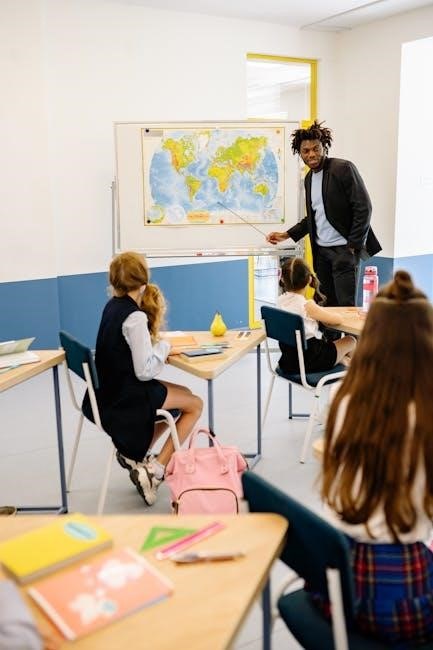
Effective teaching hinges on well-developed schemes of work and engaging lesson plans, utilizing available Kenyan Grade 7-9 materials for optimal student learning outcomes.
Developing Effective Schemes of Work
A robust scheme of work is the foundation of successful teaching, outlining learning objectives, content coverage, and assessment strategies for the term. It ensures a logical progression of topics, aligning with the CBC curriculum’s competency-based approach. Teachers should meticulously plan each lesson, considering available resources and student needs. Regularly reviewing and adapting the scheme based on student progress is crucial for maximizing learning impact and achieving desired educational outcomes. This proactive approach fosters a structured and effective learning environment.
Crafting Engaging Lesson Plans
Effective lesson plans move beyond simply listing topics; they detail activities that actively involve students, fostering critical thinking and collaboration. Incorporate diverse teaching methods – discussions, group work, and hands-on exercises – to cater to varied learning styles. Clearly define learning objectives, assessment criteria, and necessary resources. A well-structured plan ensures smooth delivery, maximizes student engagement, and promotes a positive learning atmosphere, ultimately enhancing comprehension and retention.
Utilizing Available Resources (Kenya Grade 7-9 Materials)
Kenyan Junior Secondary (Grade 7-9) teachers benefit from readily available CBC curriculum materials. Access free schemes of work, detailed lesson plans, and comprehensive exam resources online. These materials streamline preparation and ensure alignment with national standards. Leverage these tools to supplement instruction, assess student understanding, and tailor lessons to specific classroom needs, maximizing learning outcomes for all students.
Classroom Management Techniques
Effective strategies establish positive learning environments, address disruptive behaviors, and promote collaboration—essential for maximizing student engagement and fostering a productive classroom.
Establishing a Positive Learning Environment
Creating a supportive atmosphere is paramount. This involves fostering respect, encouraging participation, and celebrating individual differences. A well-managed classroom prioritizes student wellbeing, ensuring everyone feels safe to learn and contribute. Clear expectations, consistent routines, and positive reinforcement are key components. Building strong teacher-student relationships cultivates trust and motivates learners, ultimately enhancing academic performance and overall classroom harmony.
Strategies for Addressing Disruptive Behavior
Proactive strategies minimize disruptions. Establish clear expectations and consequences, consistently applied. Redirect attention, offer choices, and utilize non-verbal cues. For persistent issues, employ restorative practices, focusing on understanding the root cause. Maintain composure, address behavior privately, and involve parents when necessary. Prioritize prevention and positive reinforcement to foster a respectful learning environment for all students.
Promoting Student Collaboration & Teamwork
Encourage active participation through group projects and discussions. Assign roles within teams to foster responsibility and accountability. Implement cooperative learning strategies like think-pair-share. Emphasize the value of diverse perspectives and respectful communication. Provide opportunities for peer tutoring and feedback. Celebrate collective achievements to build a strong sense of community and shared learning.

Assessment & Feedback
Effective evaluation utilizes formative and summative methods, providing constructive criticism. Utilize available exam resources, like Term 2 openers, to gauge student understanding.
Formative vs. Summative Assessment
Formative assessment, ongoing throughout learning, informs instructional adjustments and provides students with immediate feedback to improve their understanding. Think of quizzes, observations, and discussions. Conversely, summative assessment evaluates learning after instruction—like termly exams—measuring overall achievement. Both are vital; formative guides the process, while summative confirms the outcome. Utilizing both types provides a comprehensive view of student progress and informs future teaching strategies, ensuring effective learning.
Providing Constructive Feedback
Effective feedback is specific, timely, and focused on the work, not the student. Instead of “Good job!”, try “Your analysis of the theme was insightful, particularly your use of textual evidence.” Frame suggestions positively, highlighting strengths and areas for growth. Encourage self-reflection by asking guiding questions. Constructive feedback empowers students to understand their learning and improve, fostering a growth mindset and deeper understanding.
Utilizing Exam Resources (Term 2 Opener Exams)
Term 2 Opener Exams, available for Forms 2, 3, and 4, provide valuable diagnostic assessments. These resources, complete with marking schemes, pinpoint student strengths and weaknesses early in the term. Analyze results to tailor instruction, addressing gaps in understanding. Use these exams not just for grading, but as a formative tool to guide future lessons and improve learning outcomes.
Professional Development & Continuing Education
Ongoing training, like resources at teacher.com.cn, is vital for educators; continuous learning enhances skills and ensures effective, current teaching practices.
Accessing Online Teacher Resources (teacher.com.cn)
Nationwide, the Chinese teacher continuing education network (teacher.com.cn) provides a valuable platform for professional growth. Launched in December 2002 under the Ministry of Education’s guidance, it offers extensive resources. Educators can find updated materials, participate in online courses, and connect with peers. This digital hub supports continuous learning, crucial for adapting to evolving pedagogical approaches and enhancing teaching effectiveness, ultimately benefiting student outcomes.
The Value of Ongoing Training
Continuous professional development is paramount for effective teaching. Adapting to curriculum changes, like Kenya’s CBC, and embracing new methodologies requires consistent upskilling. Training enhances subject knowledge, refines classroom management, and improves assessment techniques. It empowers teachers to address diverse learning needs and fosters a dynamic, engaging learning environment, ultimately leading to improved student achievement and career satisfaction.
Observation & Mentorship
Structured observation, coupled with constructive feedback, is vital for professional growth. This process refines teaching practices and supports continuous improvement for educators.
Guidelines for Lesson Observation
Effective observation requires pre-planning: agree upon focus areas with the teacher beforehand. During the lesson, document objective evidence – student engagement, teaching strategies, and classroom management. Post-observation, provide specific, actionable feedback, focusing on strengths and areas for growth. The goal isn’t judgment, but collaborative professional development. Remember to document observations thoroughly, following established school or TSC protocols, ensuring confidentiality and a supportive environment for the teacher being observed.
Giving and Receiving Feedback
Constructive feedback should be timely, specific, and focused on observable behaviors, not personality. When receiving feedback, listen actively, ask clarifying questions, and avoid defensiveness. Frame suggestions as opportunities for growth, emphasizing strengths alongside areas needing improvement. A collaborative dialogue fosters trust and encourages ongoing professional development, ultimately benefiting student learning and teacher effectiveness.
Addressing Student Needs
Identifying learning difficulties and supporting diverse learners is crucial; teachers must utilize resources and strategies to ensure equitable access to education for all.
Identifying Learning Difficulties
Early identification of learning challenges is paramount for effective intervention. Teachers should observe students for patterns in academic performance, behavior, and engagement. Recognizing difficulties—dyslexia, dysgraphia, or other cognitive differences—requires sensitivity and informed observation. Utilize formative assessments to pinpoint specific areas where students struggle, and collaborate with support staff to develop individualized learning plans. Proactive identification allows for timely assistance, maximizing each student’s potential and fostering a supportive classroom environment.
Supporting Diverse Learners
Inclusive classrooms thrive when teachers embrace diverse learning needs. Differentiated instruction—modifying content, process, or product—is key. Provide varied learning materials and assessment methods to cater to different learning styles and paces. Offer additional support for students with identified learning difficulties, and create opportunities for peer tutoring and collaboration. A culturally responsive approach ensures all students feel valued and empowered to succeed, fostering an equitable learning environment.
Teacher Wellbeing & Time Management
Prioritizing self-care and efficient scheduling—arriving by 7:40 am, departing at 2:45 pm—are vital for teachers to maintain balance and prevent burnout.
Maintaining a Healthy Work-Life Balance
Effective boundaries are crucial; teachers must consciously disconnect from work outside scheduled hours to recharge. Prioritizing personal time, hobbies, and family commitments prevents exhaustion. Recognizing the demands of the profession, schools should support teachers in achieving this balance. A sustainable career requires mindful self-care, ensuring long-term wellbeing and dedication to students. Avoiding constant availability fosters a healthier, more productive teaching life.
Effective Time Management Strategies (School Timetable Example)
Strategic planning is key: allocate specific time blocks for lesson planning, grading, and administrative tasks. A structured school timetable – teachers arriving at 7:40 am, departing at 2:45 pm – provides a framework. Prioritize tasks, minimize distractions, and utilize preparation periods efficiently. Batch similar activities together to enhance focus and productivity, maximizing available time.

Building Partnerships with Parents & Community
Epstein’s Model emphasizes collaborative frameworks, fostering strong school-home connections through consistent communication and shared responsibility for student success.
Implementing Partnership Frameworks (Epstein’s Model)
Joyce Epstein’s six-type model provides a structured approach to school, family, and community partnerships. These include parenting, communicating, volunteering, learning at home, decision-making, and collaborating with the community. Successful implementation requires clear roles, consistent communication channels, and a shared understanding of goals.
Kindergartens in Saudi Arabia have explored this model, demonstrating its adaptability. Teachers should actively cultivate these connections to enhance student outcomes and build a supportive learning ecosystem.
Communication Strategies
Effective teacher-parent communication is vital for student success. Utilize diverse methods: regular newsletters, parent-teacher conferences, email updates, and school websites. Maintain open, honest, and respectful dialogue, actively listening to parental concerns. Prompt responses to inquiries build trust and collaboration.
Clear, concise language avoids misunderstandings, fostering a strong home-school partnership dedicated to student growth and well-being.

Utilizing Technology in the Classroom
Integrating digital tools and online platforms enhances learning, providing access to resources and fostering student engagement in modern educational settings.
Integrating Digital Tools
Embrace technology to revolutionize instruction! Explore interactive whiteboards, educational apps, and online simulations to cater to diverse learning styles. Leverage digital resources for lesson enhancement and personalized learning experiences. Encourage students to utilize technology for research, collaboration, and creative expression, fostering essential 21st-century skills. Remember responsible digital citizenship and online safety protocols are paramount for a productive learning environment.
Online Learning Platforms
Utilize platforms like Google Classroom, Moodle, or similar systems to extend learning beyond the classroom. These tools facilitate assignment submission, grading, and communication. Share resources, create virtual discussions, and provide personalized feedback efficiently. Explore teacher.com.cn for professional development opportunities and supplementary materials. Ensure accessibility for all students, offering support for those with limited internet access or digital literacy skills.
Recommended Reading for Primary Teachers
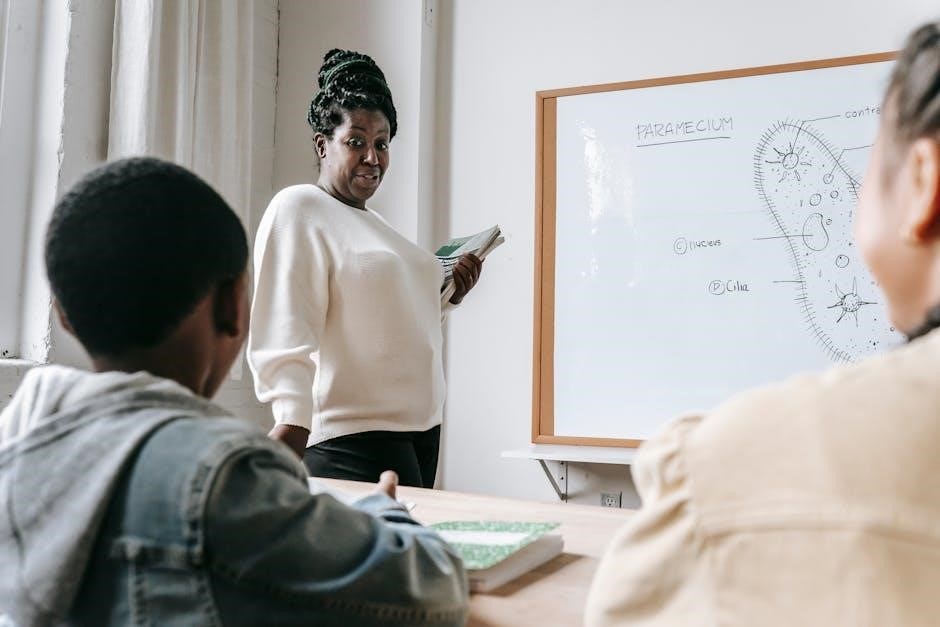
Explore methodology books and activity-based resources to enhance teaching practices, fostering engaging lessons and supporting diverse learning needs within the classroom environment.
Methodology Books
Selecting impactful methodology books is crucial for primary teachers seeking to refine their pedagogical approaches. These resources delve into learning theories, instructional strategies, and classroom management techniques. They provide a foundational understanding of how children learn, enabling educators to design effective and engaging lessons. Look for texts that emphasize student-centered learning, differentiated instruction, and assessment for learning, ultimately fostering a positive and productive classroom environment;
Activity-Based Learning Resources
Engaging activity-based resources are vital for bringing lessons to life and catering to diverse learning styles. These materials offer hands-on experiences, promoting active participation and deeper understanding. Seek out resources with varied activities – games, projects, experiments – aligned with the Kenyan CBC curriculum. Prioritize materials that encourage collaboration, critical thinking, and creativity, fostering a dynamic and enjoyable learning atmosphere.
Addressing Academic & Sociocultural Issues
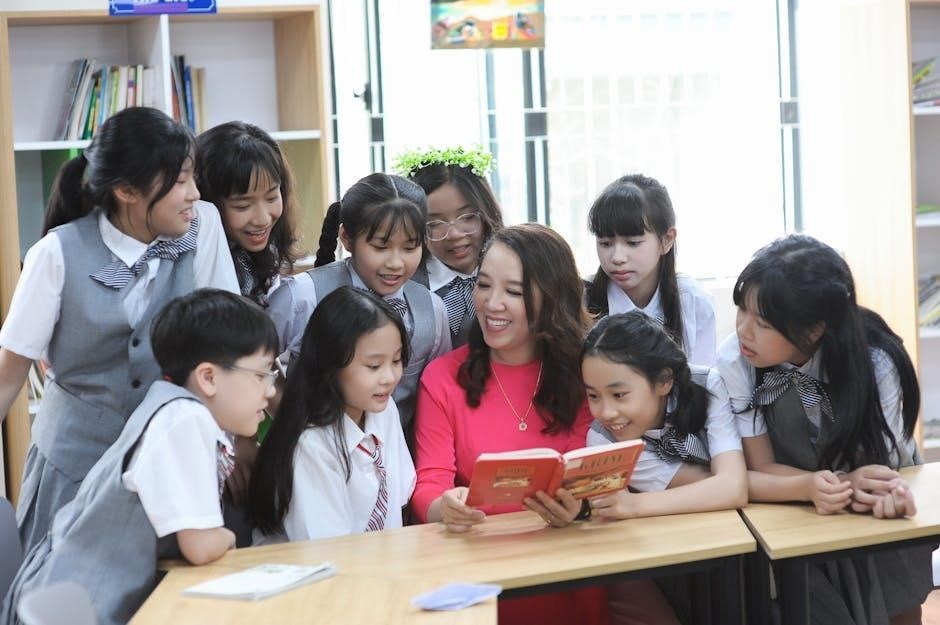
Teachers must identify student challenges—academic or sociocultural—and connect them with vital support systems, ensuring inclusive learning and well-being for all learners.
Identifying Student Challenges
Effective teachers proactively observe students for learning difficulties, considering both academic performance and sociocultural factors. Recognizing challenges early—like language barriers or differing backgrounds—is crucial. Utilize classroom assessments and interactions to pinpoint specific needs. Look beyond grades; observe engagement, participation, and social interactions. Document observations systematically to inform targeted interventions and support strategies, fostering an inclusive environment where every student can thrive and reach their full potential.
Support Systems & Resources
Teachers aren’t alone; robust support systems are vital. Schools should offer counseling services, special education resources, and collaborative planning time. External organizations provide specialized assistance for diverse learning needs. Leverage online platforms like teacher.com.cn for professional development. Build networks with colleagues to share strategies and best practices, ensuring all students receive appropriate, individualized support to overcome challenges and achieve academic success.

Legal & Ethical Considerations
Upholding standards is paramount; teachers must adhere to the TSC Code of Conduct, respecting student rights and responsibilities while maintaining professional integrity always.
Teacher Code of Conduct
Professionalism defines a teacher’s conduct, demanding integrity, impartiality, and respect for all students. Ethical behavior includes maintaining confidentiality, avoiding conflicts of interest, and fostering a safe learning environment. Teachers are legally bound to report any suspected cases of abuse or neglect, adhering to national laws and TSC guidelines. Upholding these standards builds trust and ensures responsible practice, safeguarding student wellbeing and promoting a positive educational experience for everyone involved.
Student Rights & Responsibilities
Every student possesses inherent rights to a quality education, equitable treatment, and a safe, inclusive learning environment. Correspondingly, students bear responsibilities – respecting others, actively participating, and adhering to school rules. Teachers must champion these rights while guiding students towards responsible citizenship. Understanding these reciprocal obligations fosters a positive classroom climate and promotes academic success for all learners.

Resources for Secondary School Teachers
Access subject-specific materials and exam preparation resources to effectively support secondary students’ learning journeys and academic achievement within the Kenyan curriculum.
Subject-Specific Materials
Secondary school teachers require tailored resources for each discipline. This includes detailed schemes of work aligned with the CBC, comprehensive lesson plans, and readily available notes covering key concepts; Furthermore, access to past papers and marking schemes – like the Term 2 Opener Exams – is vital for effective preparation. These materials empower educators to deliver engaging and impactful lessons, fostering student success across all subjects, ensuring curriculum coverage and exam readiness.
Exam Preparation Resources
Effective exam preparation necessitates access to a diverse range of materials. This includes readily available past papers, detailed marking schemes (like those for Term 2 Opener Exams), and focused revision notes. Utilizing these resources allows teachers to familiarize students with exam formats and expectations. Consistent practice and targeted feedback, facilitated by these tools, ultimately boost student confidence and improve overall performance, leading to better academic outcomes.